- Tel: +86 13451474678 / 13451474678
- Email: / hbzinanmech@gmail.com



car transmission shaft
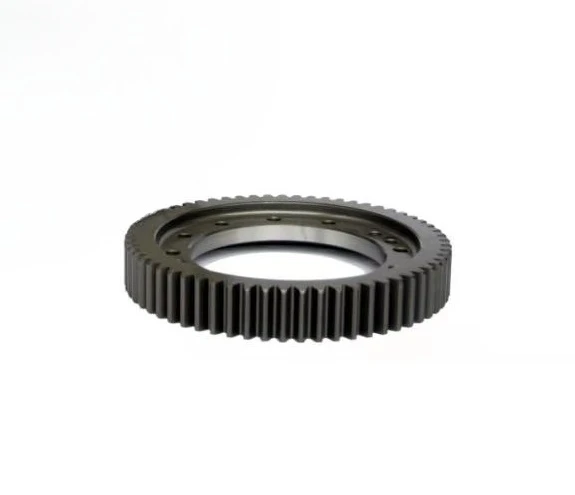
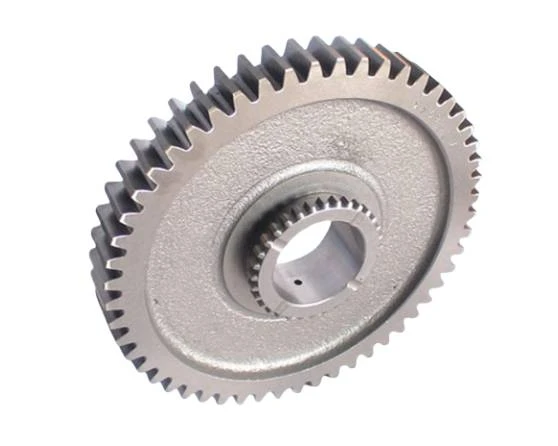
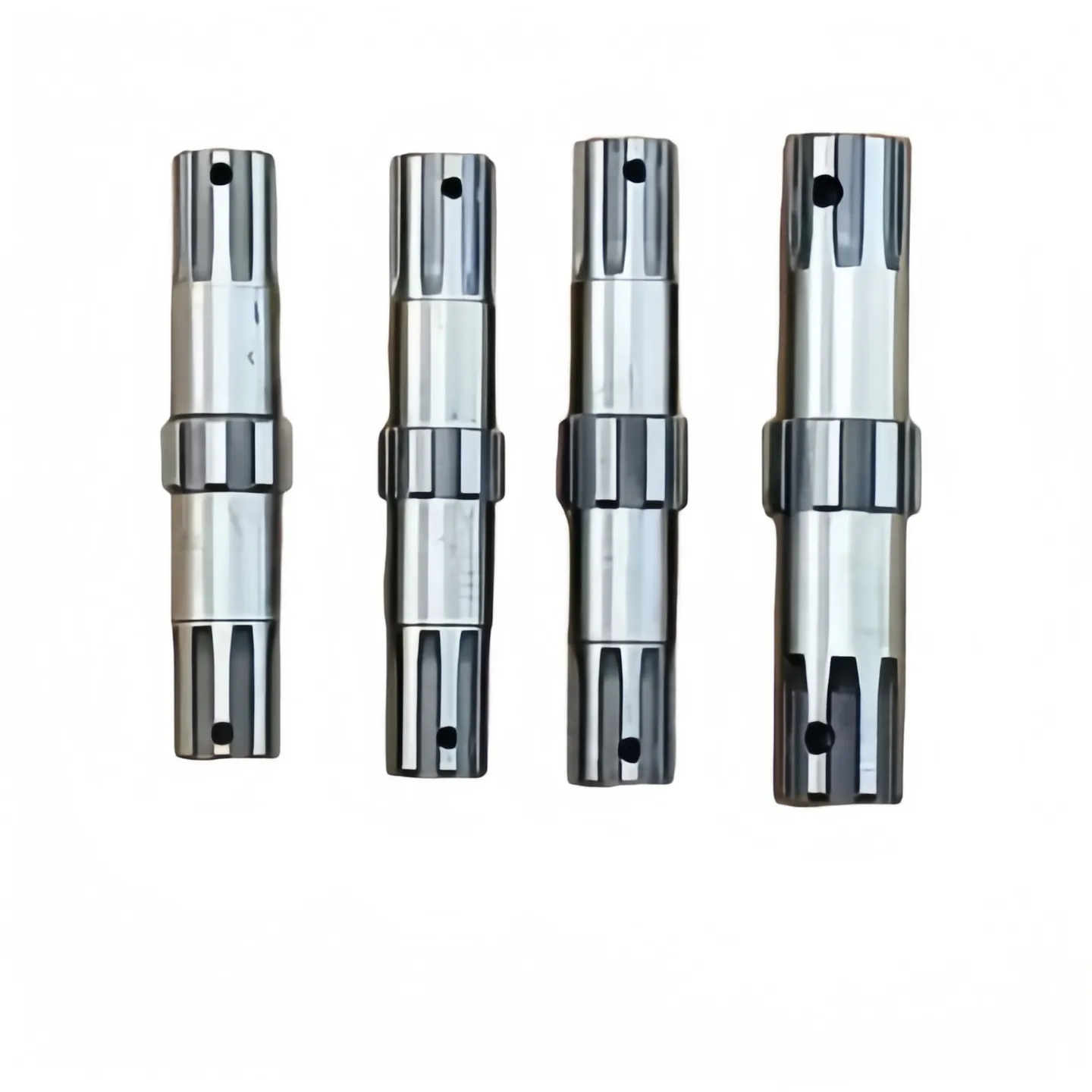
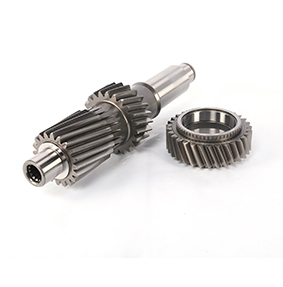
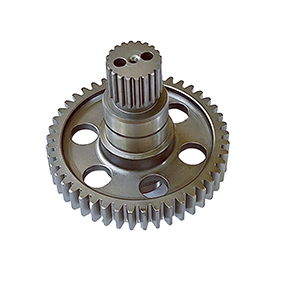
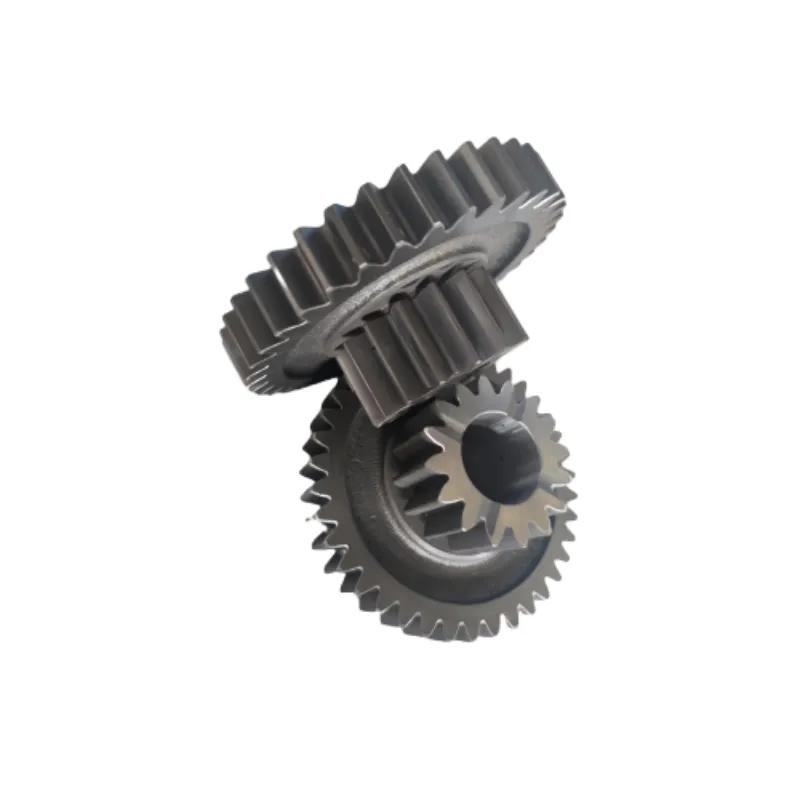
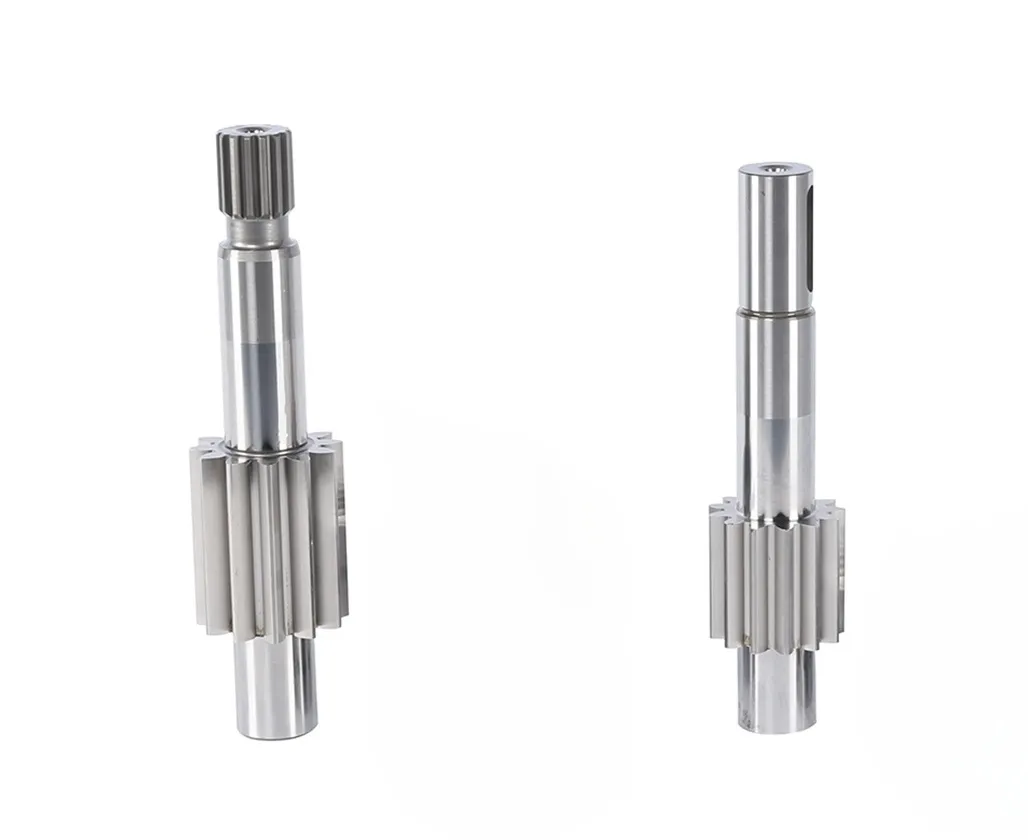
Introduction to Advanced Shaft Technologies In the intricate world of mechanical engineering, the integrity and performance of power transmission systems heavily rely on robust and precisely engineered components. Central to this is the design and manufacturing of shaft types . These critical elements are fundamental to transferring rotational motion and torque, serving as the backbone for virtually all rotating machinery, from heavy industrial equipment to high-precision instruments. This article delves into the comprehensive aspects of modern shaft technology, exploring their diverse classifications, advanced manufacturing methodologies, critical technical specifications, and widespread industrial applications. We aim to provide B2B decision-makers and engineers with an in-depth understanding of how high-quality shafts contribute to enhanced system efficiency, reliability, and longevity, particularly when integrated with components like the Transmission Gear. Our discussion will cover the latest industry trends, detailed technical parameters, real-world application scenarios, and the compelling advantages offered by superior shaft designs. We will also address crucial aspects such as vendor selection, customized solutions, and practical case studies to illustrate the impact of optimal shaft implementation in challenging environments. Industry Trends in Shaft Manufacturing and Design The landscape of shaft manufacturing is continuously evolving, driven by demands for higher performance, greater efficiency, and reduced environmental impact. Key trends include: Material Innovation: Development of advanced alloys such as high-strength low-alloy (HSLA) steels, maraging steels, and composite materials, offering superior strength-to-weight ratios, enhanced fatigue resistance, and improved corrosion properties. This enables the design of lighter yet more robust shaft types for demanding applications. Precision Manufacturing: Widespread adoption of multi-axis CNC machining, grinding, and superfinishing techniques to achieve exceptionally tight tolerances (e.g., ISO h6/h7) and superior surface finishes (Ra < 0.2 µm). This precision is critical for minimizing friction, reducing wear, and optimizing the gears working principle within power transmission systems. Smart Manufacturing Integration: Incorporation of Industry 4.0 principles, including IoT sensors for real-time monitoring of shaft performance, predictive maintenance algorithms, and AI-driven process optimization, leading to higher reliability and reduced downtime. Customization and Modularity: Increasing demand for bespoke shaft solutions tailored to specific application requirements, including unique geometries, material treatments, and integration with specialized couplings or bearings, moving beyond standard shaft types . Sustainability Focus: Emphasis on manufacturing processes that reduce waste, consume less energy, and utilize recyclable materials, aligning with global environmental objectives. Understanding Shaft Types: Technical Specifications and Classification Shafts are classified based on their function, geometry, and loading conditions. Common shaft types include: Transmission Shafts: Designed to transmit power from a prime mover to a driven machine. Crankshafts: Convert reciprocating motion into rotational motion in internal combustion engines. Camshafts: Control the opening and closing of valves in engines. Axles: Support rotating elements like wheels without transmitting torque (though some axles can also be shafts). Machine Shafts: Integral parts of specific machines, such as gear shafts within a Transmission Gear assembly. Key technical parameters that define a shaft's performance and suitability include: Material Composition: Typically high-grade alloy steels (e.g., AISI 4140, 4340, 8620, EN24, 42CrMo4) offering a balance of tensile strength, yield strength, and toughness. For corrosive environments, stainless steels like 304L or 316L are preferred. Dimensional Tolerances: Adherence to international standards like ISO 286 (e.g., h6, h7, g6) is crucial for precision fitting with bearings, gears, and seals. Surface Finish (Roughness Ra): Critical for wear resistance and fatigue life. Typical values range from Ra < 0.8 µm for general applications to Ra < 0.2 µm for high-speed, high-precision shafts. Hardness: Achieved through heat treatment (e.g., induction hardening, carburizing) to enhance wear resistance and surface durability. Hardness often ranges from 55-62 HRC for wear surfaces. Mechanical Properties: Ultimate Tensile Strength (UTS), Yield Strength (YS), Elongation, and Impact Strength (Charpy V-notch) are crucial for ensuring the shaft can withstand operational stresses. For detailed material properties, referring to specific shafts pdf documents is recommended. Dynamic Balancing: For high-speed applications, shafts require precise dynamic balancing to minimize vibration and prevent premature bearing failure. Expert Tip: When specifying shaft types , a thorough understanding of the operational environment, load conditions, and desired service life is paramount. This informs material selection, heat treatment, and surface finish requirements, preventing costly failures. Manufacturing Process Flow for High-Quality Shafts The production of reliable shaft types involves a meticulously controlled multi-stage process, ensuring both material integrity and dimensional precision. 1. Material Selection & Cutting Based on application requirements, high-grade steel alloys (e.g., 42CrMo4, 34CrNiMo6) are selected. Raw material is cut to approximate length using sawing or flame cutting. 2. Forging/Casting (Optional) For large or complex shaft types , forging enhances grain structure and mechanical properties. Casting is used for specific geometries or materials. 3. Rough Machining Turning, milling, and drilling operations bring the shaft close to its final dimensions, leaving material for subsequent precision steps. 4. Heat Treatment Processes like normalizing, quenching, tempering, carburizing, or induction hardening are applied to achieve desired hardness (e.g., 58-62 HRC for bearing surfaces) and internal stress relief, enhancing fatigue life and wear resistance. 5. Precision CNC Machining & Grinding Advanced CNC lathes and grinders achieve final critical dimensions, features like keyways, splines, threads, and high surface finish (e.g., Ra < 0.4 µm). 6. Quality Control & Testing Dimensional inspection (CMM), Non-Destructive Testing (NDT) like Ultrasonic (UT) and Magnetic Particle Inspection (MPI), hardness testing, and material analysis ensure compliance with standards (ISO, ANSI, DIN) and customer specifications. This rigorous process ensures a typical design service life exceeding 100,000 operational hours under specified load conditions. Advantages include: Energy Saving: Precision manufacturing and superior surface finishes reduce friction, leading to significant energy savings in rotating machinery. Corrosion Resistance: Strategic material selection and protective coatings (e.g., hard chrome plating, nitride finishes) provide excellent resistance in harsh environments. Extended Service Life: Optimized design, material treatment, and stringent quality control lead to dramatically increased Mean Time Between Failure (MTBF). Enhanced Performance: Reduced vibration, lower noise levels, and consistent operation contribute to overall system reliability. These advanced shaft types find extensive application across target industries such as petrochemical, metallurgy, mining, power generation (including wind and hydro), and water supply & drainage, where reliability is paramount. Application Scenarios and Technical Advantages The diverse range of shaft types is indispensable across a multitude of industrial applications, each benefiting from specific technical advantages: Heavy Machinery (Mining, Construction): Shafts in excavators, crushers, and conveyors demand exceptional strength, impact resistance, and fatigue endurance. High-alloy steels with surface hardening treatments ensure prolonged operation in abrasive and high-stress environments. Power Generation (Wind Turbines, Hydroelectric): Main shafts in wind turbines, for instance, are critical for transmitting immense torque from rotor to gearbox. They require materials with high fracture toughness, excellent fatigue properties (e.g., 34CrNiMo6), and often incorporate anti-corrosion coatings for offshore applications. Pumps and Compressors (Petrochemical, Water Treatment): Shafts in these fluid-handling systems must exhibit high stiffness, minimal runout, and often superior corrosion resistance (e.g., using Duplex stainless steel for chemical pumps). Precision balancing reduces vibration, protecting seals and bearings. Marine Propulsion Systems: Propeller shafts endure dynamic loads, bending moments, and corrosive saltwater exposure. Materials like high-tensile stainless steel or specialized bronzes, combined with robust anti-corrosion treatments, are essential for safety and reliability at sea. Textile and Paper Industries: Applications here often require lightweight shafts with high torsional stiffness and excellent surface finishes to prevent material adhesion or damage. Carbon fiber composites are gaining traction for these specific shaft types . The technical advantages derived from selecting and manufacturing the correct shaft types are profound: superior torque transmission efficiency, reduced operational noise and vibration, extended operational life, decreased maintenance frequency, and enhanced safety by preventing catastrophic failures. These advantages directly translate into lower total cost of ownership (TCO) and improved operational profitability for industries. Product Specification: Transmission Gear and Related Shafts As a prime example of where precise shaft engineering is crucial, consider the specifications for a typical Transmission Gear , often integrating various shaft types to manage power flow and speed ratios. Precision-machined shaft for robust power transmission. Parameter Specification for Typical Transmission Gear Shaft Material Grade 42CrMo4 / AISI 4140 (Alloy Steel) Heat Treatment Quenching & Tempering + Induction Hardening (critical areas) Surface Hardness 58-62 HRC (case) Core Hardness 30-35 HRC (for toughness) Dimensional Tolerance ISO h6/h7 (for bearing seats, splines) Surface Roughness (Ra) 0.2 – 0.8 µm (depending on contact area) Runout (TIR) Max 0.01mm (on critical diameters) Max Torque Capacity Up to 15,000 Nm (design dependent) Fatigue Limit Improved by shot peening/rolling Testing Standards ISO 9001, ASTM, DIN, NDT (UT, MPI) Such precision and material selection ensure that the shafts within a Transmission Gear module operate seamlessly, minimizing friction, reducing noise, and maximizing power transfer efficiency. Vendor Comparison and Customized Solutions Choosing the right manufacturing partner for custom shaft types is paramount. Key factors include technical expertise, production capabilities, quality assurance, and ability to provide tailored solutions. Feature Specialized Manufacturer (e.g., ZinAnMech) General Job Shop Large OEM (Limited Custom) Technical Expertise Deep specialization in various shaft types and materials; engineering support Basic machining knowledge; limited design input High for own products; low for external custom parts Manufacturing Capability Advanced CNC, precision grinding, specialized heat treatment, large part capacity Standard CNC, basic turning/milling Mass production lines; high volume standard parts Quality Control ISO 9001, comprehensive NDT, CMM, material certification Basic visual inspection, limited testing Rigorous for own products; less flexible for custom Customization Highly flexible; tailored designs, materials, treatments, dimensions Limited to existing machine capabilities Very low or non-existent for non-standard items Lead Time Competitive, optimized for custom orders Variable, dependent on current workload Longer for non-standard components due to complex supply chains Specialized manufacturers offer unparalleled flexibility in customizing shaft types . This includes: Material Specification: Selection from a wide array of steels, stainless steels, and exotic alloys based on specific mechanical, chemical, and thermal requirements. Geometry and Features: Design of complex profiles, splines (e.g., involute, straight-sided), keyways, tapers, flanges, and integrated gearing to precise specifications, crucial for optimizing the gears working principle . Heat Treatment & Surface Engineering: Tailored heat treatment cycles (e.g., case hardening depth, specific tempering temperatures) and surface coatings (e.g., nitriding, hard chroming, phosphating) to enhance wear, corrosion, and fatigue resistance. Tolerances and Finishes: Achieving ultra-tight tolerances and superior surface finishes to meet the most stringent operational demands, reducing friction and extending component life. Application Case Studies Real-world applications demonstrate the tangible benefits of high-quality shaft types : Case Study 1: Petrochemical Refinery Pump Shafts A major petrochemical client faced frequent failures of pump shafts due to aggressive chemical exposure and high operational temperatures. Standard stainless steel shafts had a Mean Time Between Failure (MTBF) of 6 months. By adopting custom shaft types manufactured from Duplex Stainless Steel (2205) with specialized surface hardening, the MTBF was extended to over 2 years. This resulted in a 75% reduction in downtime, significant savings in maintenance costs, and improved plant safety. Client Feedback: "The new shafts have drastically improved our operational reliability. The initial investment has paid for itself multiple times over in reduced maintenance and increased uptime." Case Study 2: Heavy-Duty Rolling Mill Drive Shafts A leading steel manufacturer experienced fatigue failures in their rolling mill drive shafts, operating under extreme shock loads and continuous high torque. Our solution involved designing custom shafts from 34CrNiMo6 alloy steel, precision forged, followed by full quenching and tempering, and finally induction hardening on critical contact surfaces. This custom engineering boosted the shaft's load capacity by 30% and improved its fatigue life by over 50%, reducing unscheduled downtime by 40% annually. Case Study 3: High-Speed Textile Machine Spindle Shafts In the textile industry, high-speed spindle shafts require exceptional balance, minimal vibration, and excellent wear resistance. A client struggled with premature bearing wear and fabric damage due to shaft eccentricity. We provided ultra-precision ground shaft types with a runout tolerance of less than 0.005mm and dynamic balancing to G2.5 grade. This dramatically reduced vibration, extended bearing life by 200%, and eliminated fabric defects, leading to increased production efficiency and product quality. Trustworthiness & Support Establishing trust and providing unwavering support are cornerstones of a reliable partnership in B2B manufacturing. Authoritativeness and Certifications: Quality Management: ISO 9001:2015 certified, ensuring consistent quality throughout design, production, and service. Industry Accreditations: Compliance with relevant industry standards such as ASTM, DIN, ANSI, and often TUV SUD or DNV certifications for specific product lines or markets. Experience: Over two decades of specialized experience in precision machining and manufacturing of complex mechanical components, serving a diverse global client base across heavy industry, renewable energy, and critical infrastructure. Partner Clients: Trusted supplier to leading OEMs and end-users in sectors including petrochemicals, metallurgy, marine, and power generation. Frequently Asked Questions (FAQ): Q: What data is required for a custom shaft quotation? A: We require detailed engineering drawings (CAD preferred), material specifications, heat treatment requirements, quantity, and desired lead time. Information on application and operating conditions is also highly beneficial. Q: How do you ensure the quality of specific shaft types ? A: Our quality assurance includes strict material incoming inspection, in-process dimensional checks using CMM and precision gauges, comprehensive NDT (UT, MPI, Eddy Current), hardness testing, and final inspection reports for every component. All processes adhere to ISO 9001:2015. Q: Can you provide design assistance for optimal shaft performance? A: Yes, our experienced engineering team offers design consultation, material selection advice, and DFM (Design for Manufacturability) analysis to ensure your shaft types are optimized for performance, cost, and manufacturability. Lead Time & Fulfillment: Standard lead times for custom shaft types typically range from 4-8 weeks, depending on complexity, material availability, and order volume. Expedited services are available for urgent requirements, subject to project scope. Our robust supply chain and optimized production planning ensure reliable and timely fulfillment. Warranty & Customer Support: We stand behind the quality of our products with a comprehensive warranty against manufacturing defects, typically for 12-24 months post-installation or 18-30 months ex-works, whichever comes first. Our dedicated after-sales support team provides technical assistance, troubleshooting, and spare parts management. We are committed to fostering long-term partnerships through continuous support and service excellence. Conclusion The continuous advancement in materials science, manufacturing processes, and quality control has transformed the capabilities of shaft types . From critical components in Transmission Gear systems to robust elements in heavy industrial machinery, the precision and reliability of shafts are non-negotiable for operational success. Partnering with a specialized manufacturer that understands the nuances of various shaft types , offers extensive customization, and adheres to the highest quality standards is essential for achieving optimal performance, efficiency, and longevity in any mechanical system. By investing in expertly engineered shafts, industries can significantly reduce downtime, lower maintenance costs, and enhance overall operational safety and productivity, ensuring a competitive edge in today's demanding market. References: ISO 9001:2015 - Quality management systems — Requirements. International Organization for Standardization. ASM Handbook, Vol. 4E: Heat Treatment and Processing. ASM International. Shigley's Mechanical Engineering Design. R. Budynas and J. Nisbett. McGraw-Hill Education. Machinery's Handbook. Industrial Press Inc. American Gear Manufacturers Association (AGMA) standards and technical papers.
-
0YEARS IN THE FIELD
-
0 KEXPERIENCED STAFFS
-
-
-
0 kACCOMPLISHED PROJECT
-
0SATISFIED CLIENTS
-
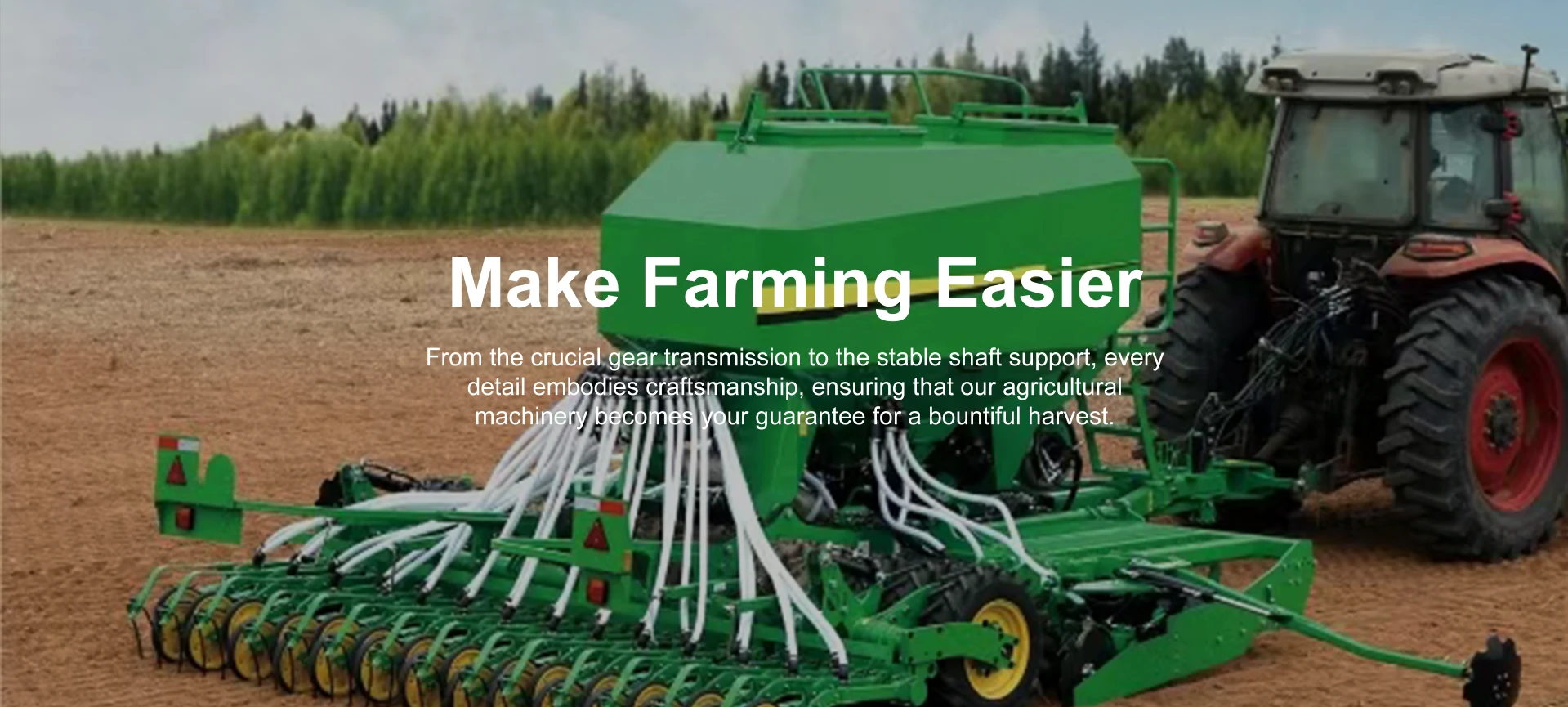
01The Application of Agricultural Machinery Gears In The IndustryAgricultural machinery gears are widely used in the agricultural machinery industry. In tractors, gears are applied to the transmission system. They can transmit the power from the engine to the wheels and achieve different speeds and torques through different gear combinations, so as to adapt to various working conditions such as plowing and transportation.
-
02Application of ComponentsIn agricultural machinery, the gearbox is mainly used to change the transmission ratio. Taking a tractor as an example, when the tractor needs to drive slowly in the field to cultivate the land and other operations, the gearbox can transmit the power of the engine through a lower transmission ratio, thereby outputting a larger torque to ensure that the agricultural machine has enough power to drive the agricultural implement for deep farming and other operations.
-
03Application of Agricultural MachineryField operations: Tractors are one of the most important power machines in agricultural production. In cultivated land operations, it can use powerful power to drive ploughshares to till the land by mounting ploughs to turn, break and level the soil, creating good soil conditions for sowing. For cultivator operations, it can mount cultivators to perform operations such as weeding, loosening and soil cultivation during crop growth to promote the growth of crop roots and nutrient absorption.
International layout
Spread all over the world
Our agricultural machinery products have won wide recognition and trust in the global market, and our sales network covers many countries and regions.


-
2026-04-04 23:50Air Suction No-Till Seeder - Zinan Tech _ Precision & EfficiencyIntroduction to the Air Suction No-Till Seeder In the ever-evolving landscape of agricultural techno>
-
2026-04-04 23:17The Thriving Ecosystem of Tractor Trade and EquipmentThe agricultural and industrial machinery sector is experiencing remarkable growth, and at the heart>
-
2026-04-04 23:06Air Suction No Till Seeder-Zinan Technology_Precision Seeding&Soil ConservationIntroduction In the ever-evolving landscape of agricultural technology, the Air Suction No Till Seed>
Sign up
for Newsletter
Subscribe to the weekly newsletter for all the latest updates